Fitness 101
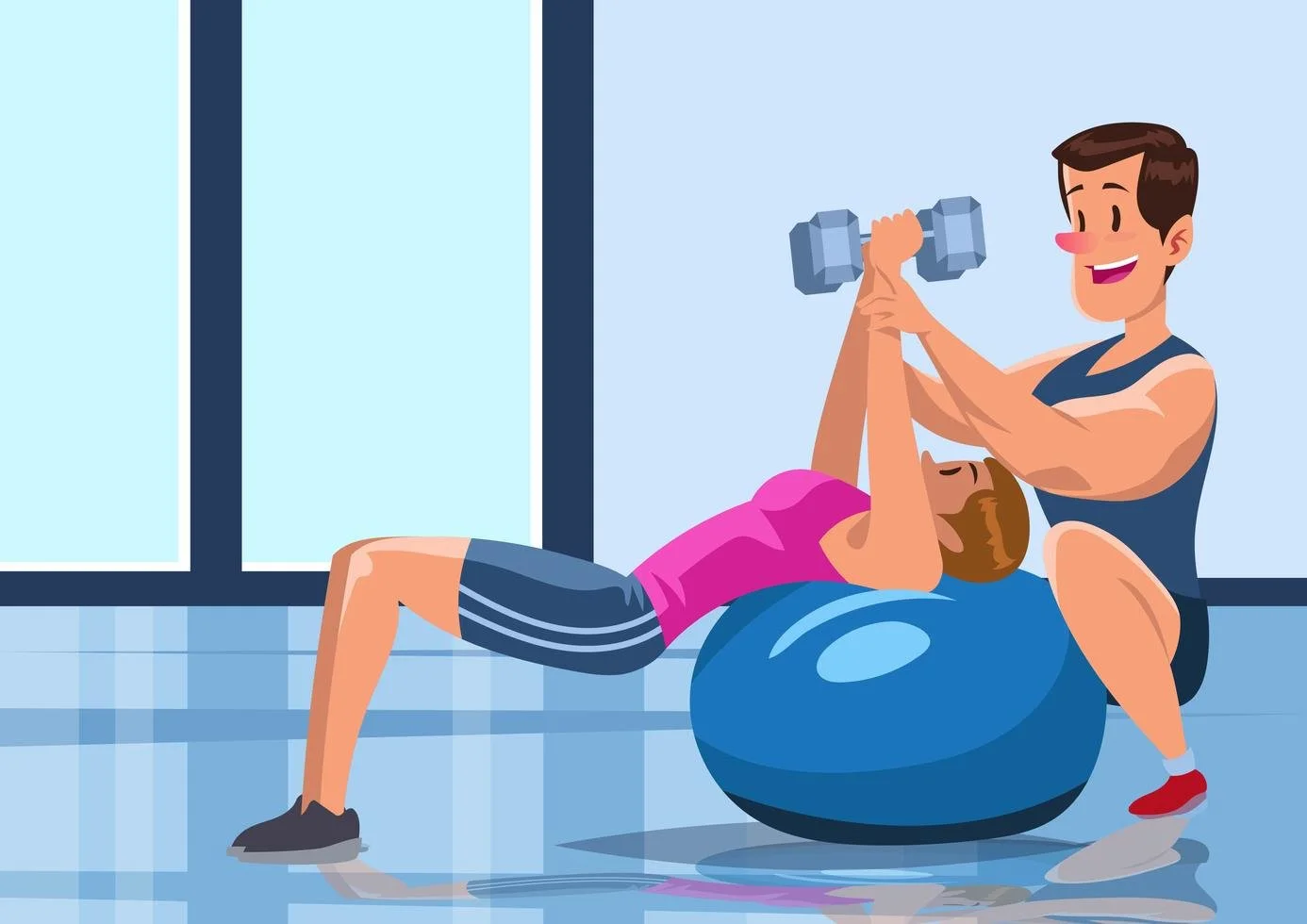
Working out certainly doesn’t hurt your fitness…
Is Being “Fit” the Same as Being “Healthy?”
Working out certainly doesn’t hurt your fitness… but does a sculpted physique actually mean you’ve unlocked the secret to complete well-being?
It’s a question that trips up almost everyone who has ever stared longingly at a fitness magazine or scrolled past a gleaming gym influencer on social media (and let’s not even get into the new wave of AI fitness videos). We live in a culture that treats physical appearance as the ultimate proof of health. If someone can bench press a small vehicle or rock a set of washboard abs, we naturally assume their insides are glowing with pristine, flawless health. But when you peel back the layers of this fitness onion, the line between being "fit" and being "healthy" gets a little blurry, and not just from the tears.
Gotta Have That 6-Pack
Of all the fitness goals out there, the 6-pack is the de facto holy grail. The thing about having a 6-pack—that is, those aesthetically-pleasing rectus abdominis muscles that pop in our front torso—is that it does not automatically guarantee that you are healthy. Having a visible 6-pack of abs simply means your body is carrying a very low body fat percentage (typically 12–15% for men and 18–20% for women). While it isn’t impossible to "get" those abs, the hard work and dedication required to achieve a low body fat percentage while maintaining a solid amount of lean muscle mass can be very difficult over the course of our day-to-day activities.
Sure, you can get to the gym 5 to 6 days a week, but are you sabotaging your workouts with a poor diet? Are you maintaining a "healthy" diet, but failing to consume enough protein? Furthermore, are you really tracking exactly how many calories and macros are entering your body? If you are able to accomplish all these tasks and focus on the task at hand, does your spouse look at you funny for meal prepping six containers of plain chicken and broccoli on a Sunday afternoon?
The truth is, chasing extreme physical aesthetics often demands sacrifices that don't always align with true health.
Defining the Duo: Fitness vs. Health
To figure out where the two diverge, we first have to look at what "fitness" and "health" actually mean.
Fitness is primarily performance- and goal-based. It’s your body’s ability to perform specific physical tasks—how fast you can run a mile, how much weight you can deadlift, how flexible your hamstrings are, or how long you can hold a plank without shaking like a lawnmower engine. Fitness is task-oriented. You train for it, you adapt, and you improve your physical capacity.
Health, on the other hand, is a holistic state of complete physical, mental, and social well-being—not merely the absence of disease or infirmity. Health is about how smoothly your internal machinery is running. It’s your cardiovascular health, immune function, hormone balance, gut microbiome, metabolic function, mental clarity, and emotional resilience.
Think of it this way: Fitness is how well your car drives on the track; health is what’s happening under the hood. You can tune a car to go 200 miles per hour, but if you're running it on fumes, skipping oil changes, and redlining the engine every single day, it’s only a matter of time before something blows up under the bonnet.
The Illusion of the Ideal Body
We’ve been conditioned to believe that health looks a very specific way: low body fat, defined muscles, and a perpetually sun-kissed glow. But aesthetics are often a terrible proxy for internal wellness.
Consider an elite marathon runner. They might possess world-class cardiovascular fitness, capable of running 26.2 miles at a pace most people can't maintain for 100 yards. Yet, behind the scenes, that same runner might be dealing with chronic joint stress, systemic inflammation, suppressed immune function, elevated stress hormones like cortisol, or nutritional deficiencies from pushing their body to extreme limits. They are undeniably fit for running long distances, but in that moment, their overall health might be taking a hit.
Conversely, someone who carries a few extra pounds, lacks a visible 6-pack, and can't lift heavy weights might have perfect blood pressure, pristine cholesterol levels, balanced blood sugar, fantastic sleep quality, and a joyful, low-stress relationship with food. Statistically and medically, they could be significantly healthier than the gym rat living off energy drinks, 4 hours of sleep, and extreme caloric restriction just to keep their abs visible for photos.
The Hidden Costs of Pursuing "Extreme Fit"
When the pursuit of fitness becomes an obsession with low body fat or extreme performance, health is often the first casualty.
Hormonal Havoc: Dropping your body fat percentage too low sends panic signals to your brain. For women, this can lead to loss of the menstrual cycle (amenorrhea) and bone density loss. For men, extreme lean states often plummet testosterone levels, causing fatigue, brain fog, and loss of libido.
Nutritional Imbalances: Cutting out entire food groups or eating a rigid, repetitive diet to hit strict macro targets can leave you deficient in essential micronutrients, vitamins, and healthy fats that support brain and heart health.
Mental and Social Toll: If your fitness routine prevents you from enjoying dinner with friends, creates anxiety around social events, or causes friction with your partner because your life revolves entirely around meal prep containers and workout schedules, your mental and social health is paying the bill.
Finding the Sweet Spot: The "Fit AND Healthy" Harmony
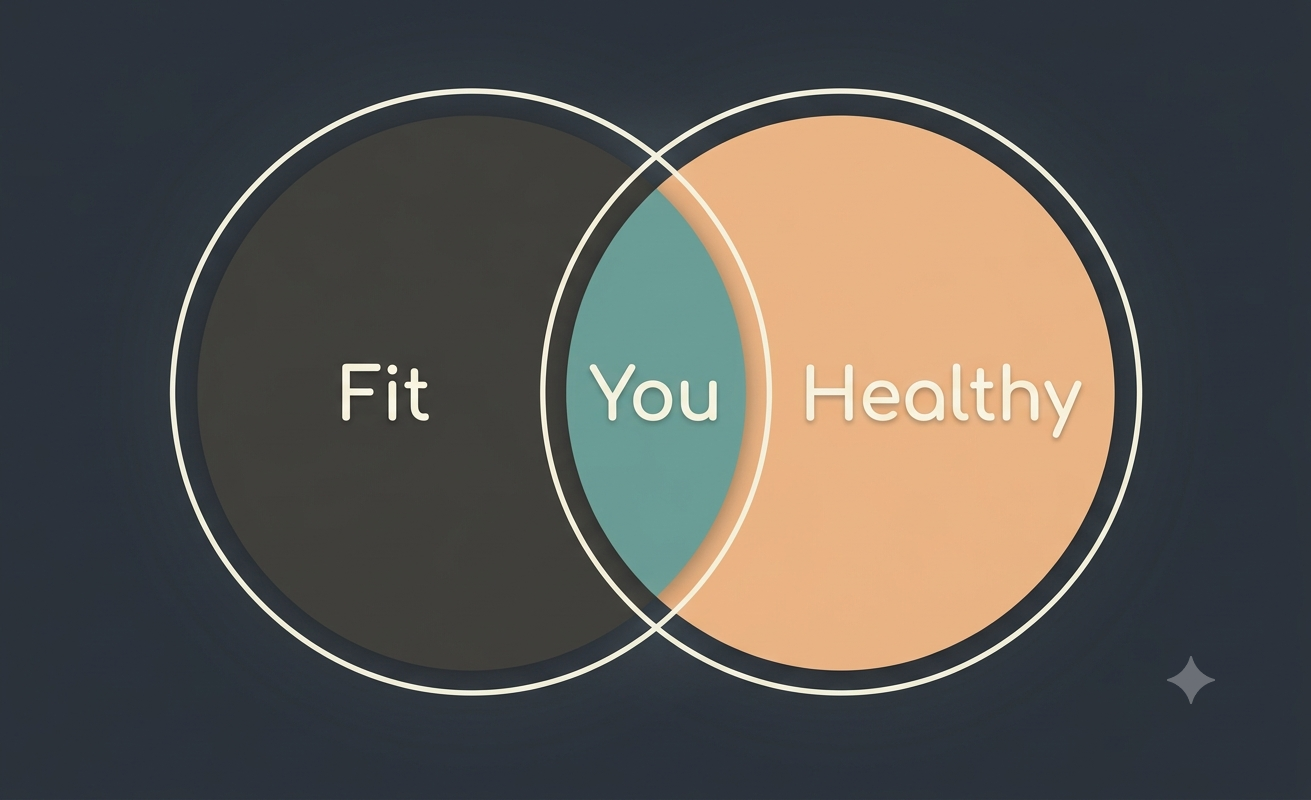
Be a master of both worlds
Does this mean working out and building muscle is a trap? Of course not. Movement, strength training, and cardiovascular exercise are vital pillars of long-term health. The goal isn't to abandon fitness; it's to align your fitness goals so they serve your overall health rather than compete with it.
True health doesn't demand perfection, nor does it require a permanent 6-pack. It’s about building a body that moves well, feels good, and supports a vibrant, fulfilling life.
Focus on Function over Appearance: Celebrate what your body can do—lifting groceries easily, playing with your kids without getting winded, or hiking a scenic trail—rather than just how it looks in a mirror.
Fuel for Longevity: Nourish your body with adequate protein, wholesome whole foods, healthy fats, and enough total calories to sustain your daily energy and hormonal function.
Prioritize Rest and Recovery: Sleep and stress management are just as important as your time in the gym. If pushing for that extra workout means consistently getting 5 hours of sleep, skip the gym and take the rest.
At the end of the day, having a 6-pack is a cool party trick, but feeling energetic, living pain-free, sleeping deeply, and enjoying a slice of birthday cake without guilt is what real health looks like. You don't have to choose between being fit or being healthy—you just have to remember that a truly fit body is one that is built to last.
But if you do happen to achieve that fitness holy grail, and your overall health is in good condition…there’s nothing wrong with that, either.